Don’t Wait Until It Hurts: The Benefits of Regular Massage Therapy

By: Alexandrea Eno, RMT
Why massage therapy should be part of your wellness routine, not just something you book when you're in pain.
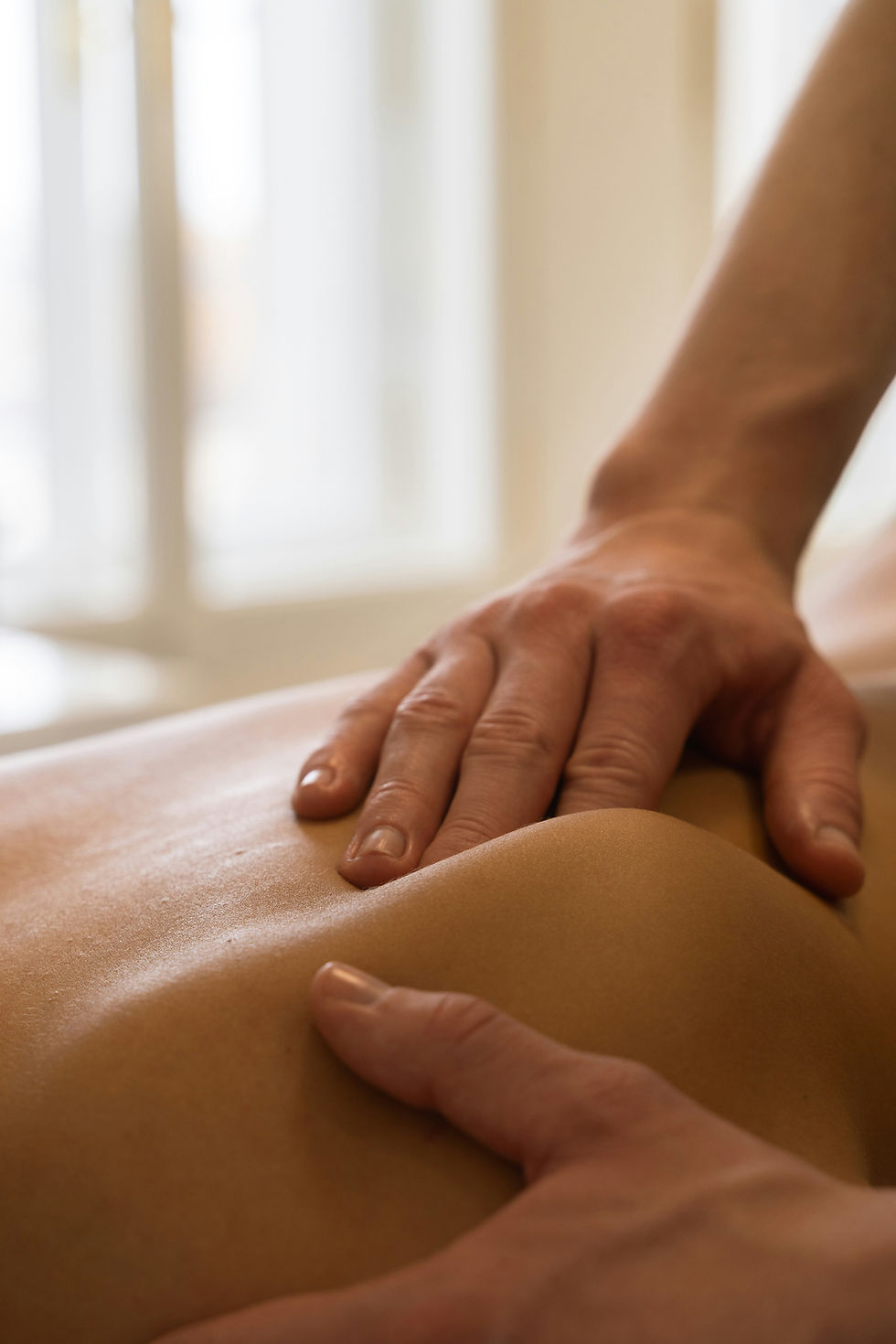
Life gets busy. Between work, family, exercise, and everyday responsibilities, it's easy to put your own well-being on the back burner. For many people, booking a massage only becomes a priority when their neck is stiff, their back is aching, or their shoulders feel like they're carrying the weight of the world.
But here's the thing: you don't have to be in pain to benefit from massage therapy.
In fact, incorporating regular massage therapy into your routine can be a great way to support your physical and mental well-being before discomfort starts interfering with your daily life.
1. Managing Muscle Tension Before It Becomes a Bigger Problem
Our muscles are constantly working, even when we don't realize it. Sitting at a desk, carrying children, exercising, or repeating the same movements throughout the day can all contribute to muscle fatigue and feelings of tightness.
Over time, you may notice stiffness, reduced comfort with movement, or areas that seem to be constantly tense.
Regular massage therapy can help by:
Reducing the sensation of muscle tightness and stiffness.
Improving short-term flexibility and range of motion.
Providing relief from everyday muscular discomfort.
Helping you recognize patterns of tension before they become more bothersome.
Think of massage as one tool in your overall muscle-care routine, alongside movement, exercise, and adequate recovery.
2. Supporting Stress Management and Relaxation
Stress doesn't just affect your mind. It can influence your breathing, sleep, and the amount of tension you carry in your muscles.
Have you ever noticed your shoulders creeping toward your ears during a stressful day? Or realized you've been clenching your jaw without even thinking about it?
These are common ways stress can show up physically.
Massage therapy provides an opportunity to slow down and relax. Research suggests massage may help reduce perceived stress and anxiety in some people, although results vary.
Even setting aside 30 or 60 minutes to disconnect from your responsibilities can be a valuable part of your self-care routine.

3. Supporting Recovery From Physical Activity
Whether you're an athlete, a weekend warrior, or someone who simply enjoys staying active, your muscles need time to recover.
Exercise places demands on your muscles, and some post-exercise soreness is a normal part of adapting to physical activity.
Massage therapy may help reduce the perception of delayed-onset muscle soreness (DOMS) and improve how you feel during recovery.
While massage doesn't replace proper rest, hydration, nutrition, or progressive training, it can be a helpful addition to your recovery routine.
And remember, you don't have to be an athlete to benefit. Everyday activities like gardening, lifting your kids, or spending hours on your feet can leave your muscles feeling tired, too!
4. Becoming More Aware of Your Body
One of the often-overlooked benefits of regular massage therapy is developing a better understanding of your own body.
When you only book a massage during a painful flare-up, the appointment tends to focus on the area that's currently bothering you.
With more consistent treatments, you and your Registered Massage Therapist (RMT) have the opportunity to notice patterns over time.
Maybe your shoulders feel tighter during particularly stressful weeks. Perhaps your hips become uncomfortable after long periods of sitting. Or maybe you notice more soreness when your exercise routine changes.
Recognizing these patterns can help you make informed decisions about movement, recovery, and daily habits.
The goal isn't to find something wrong with your body at every appointment. It's to better understand what helps you feel and function your best.
5. Making Time for Yourself
Let's be realistic: taking care of everyone and everything else often comes before taking care of ourselves.
But self-care doesn't have to mean an elaborate routine or an entire day at the spa.
Sometimes, it's simply making an appointment and giving yourself permission to slow down.
Regular massage therapy can provide dedicated time to relax, recharge, and focus on your own well-being.
And that's something worth prioritizing, even when nothing hurts.

How Often Should You Get a Massage?
This is one of the most common questions I hear as an RMT, and the answer is: it depends!
There's no universal massage schedule that works for everyone.
Some people enjoy monthly appointments as part of their wellness routine, while others benefit from more frequent sessions during periods of increased activity or discomfort. Some only need occasional treatments.
Your ideal frequency depends on your goals, symptoms, lifestyle, preferences, and budget.
The important thing is finding an approach that works for you rather than feeling like you have to book a massage every few weeks.
The Bottom Line: Massage Isn't Just for Pain Relief
Massage therapy is often associated with treating sore muscles and relieving discomfort, but its potential benefits extend beyond those moments when something hurts.
Whether your goal is to manage stress, ease muscle tension, support recovery, or simply make more time for yourself, massage therapy can be a valuable addition to your wellness routine.
You don't need to wait until your back is aching or your shoulders are completely knotted up to book an appointment.
Because taking care of your body shouldn't only become a priority when it starts asking for help.
Ready to Make Massage Part of Your Routine?

Whether you're experiencing muscle tension, looking to unwind, or simply want to prioritize your well-being, I'm here to help.
At AE Massage Therapy, treatments are tailored to your individual needs and goals, whether you're coming in for specific discomfort or general relaxation.
Don't wait until it hurts. Make time for yourself today!


Comments